

Do glass food containers break easily? This is a question that many consumers often ask when considering purchasing glass food containers. As a supplier of high - quality glass food containers, I'd like to delve into this topic and provide you with a comprehensive answer.
The Composition and Structure of Glass Food Containers
To understand whether glass food containers break easily, we first need to look at their composition and structure. Most of our glass food containers are made from borosilicate glass or tempered glass.
Borosilicate glass is known for its excellent thermal resistance. It contains boron trioxide, which significantly reduces the thermal expansion coefficient of the glass. This means that borosilicate glass can withstand rapid temperature changes without cracking. For example, you can take a borosilicate glass food container directly from the freezer and place it in a pre - heated oven, and it is less likely to break compared to regular soda - lime glass.
Tempered glass, on the other hand, is created through a process of heating and rapid cooling. This treatment creates compressive stress on the surface of the glass, making it stronger and more resistant to impact. When tempered glass does break, it shatters into small, relatively harmless pieces rather than large, sharp shards, which is a safety feature.
Factors Affecting the Breakage of Glass Food Containers
1. Impact
One of the most common causes of glass food container breakage is impact. If a glass container is dropped on a hard surface, such as a tile floor or a concrete patio, it is at risk of breaking. However, the likelihood of breakage depends on the height from which it is dropped, the type of surface it hits, and the design of the container itself.
Our glass food containers are designed with durability in mind. For instance, the edges are rounded to distribute the force of impact more evenly. Additionally, the walls of our containers are of an appropriate thickness to provide strength without adding excessive weight.
2. Temperature Changes
As mentioned earlier, borosilicate glass has good thermal shock resistance. But even borosilicate glass has its limits. Extreme temperature changes, such as pouring boiling water into a cold glass container or placing a hot container directly into cold water, can cause the glass to break.
We recommend following proper usage guidelines. When using our glass food containers for hot or cold food, it's best to let the food reach a moderate temperature before transferring it to the container. If you need to heat food in the container, use a microwave - safe lid and start with short intervals to avoid sudden temperature spikes.
3. Improper Handling
Improper handling can also lead to breakage. For example, using metal utensils to scrape the inside of a glass container can cause scratches, which weaken the glass over time. It's advisable to use silicone or plastic utensils when serving food from glass containers.
Our Product Line and Their Resistance to Breakage
We offer a wide range of glass food containers, including Rectangular Glass Food Container and Square Glass Food Container.
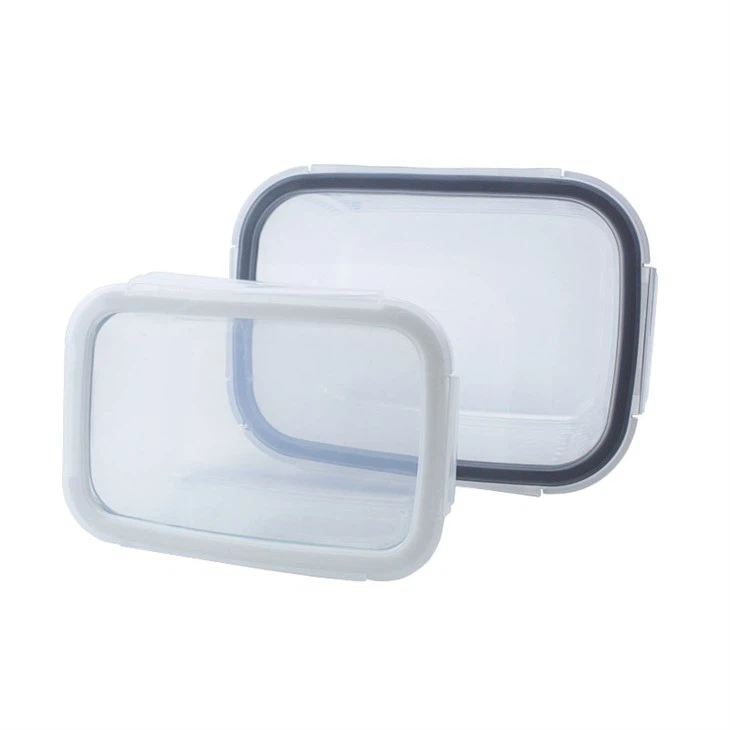
The rectangular glass food containers are designed with a sleek and modern look. They are stackable, which is convenient for storage. The corners of these containers are reinforced to reduce the risk of breakage during handling. The square glass food containers, on the other hand, are great for portion control and have a stable base. Their shape also makes them suitable for use in various types of storage spaces.
Both types of containers are made from high - quality glass materials and undergo strict quality control processes. We conduct drop tests, thermal shock tests, and impact resistance tests to ensure that our products meet the highest standards of durability.
Comparing Glass with Other Materials
When comparing glass food containers with other materials such as plastic or stainless steel, glass has its unique advantages and disadvantages in terms of breakage.
Plastic containers are generally more flexible and less likely to break from impact. However, plastic can degrade over time, especially when exposed to heat or certain chemicals. It may also absorb odors and stains. Stainless steel containers are very durable and resistant to impact, but they can be heavy and may not be transparent, which makes it difficult to see the contents inside.
Glass, on the other hand, is non - porous, so it doesn't absorb odors or stains. It is also a more environmentally friendly option as it can be recycled. While it may be more prone to breakage than plastic or stainless steel under certain circumstances, our high - quality glass food containers are designed to minimize this risk.
Tips for Preventing Breakage
To help you get the most out of your glass food containers and prevent breakage, here are some useful tips:

- Use Protective Covers: You can use silicone covers or padded sleeves to protect the glass containers from impact. These covers can also help to keep the food fresh and prevent spills.
- Store Properly: When storing glass food containers, make sure they are placed in a stable and secure location. Avoid overcrowding the storage area, as this can increase the risk of containers knocking into each other and breaking.
- Inspect Regularly: Check your glass containers regularly for any signs of damage, such as cracks or chips. If you notice any damage, it's best to replace the container to avoid potential breakage.
Conclusion
In conclusion, glass food containers do not break easily if they are made from high - quality materials, designed with durability in mind, and used and handled properly. Our glass food containers, including the Rectangular Glass Food Container and Square Glass Food Container, offer a combination of style, functionality, and durability.
If you are interested in our glass food containers and would like to discuss procurement, please feel free to reach out to us. We are always ready to provide you with more information and help you make the best choice for your needs.
References
- ASTM International. (2023). Standard test methods for mechanical and physical properties of glass.
- Glass Packaging Institute. (2022). Glass packaging: A sustainable choice.
- University of California, Berkeley. (2021). Thermal properties of borosilicate glass.