

In the world of food storage and transportation, the choice between round and square food containers is a significant decision that impacts various aspects, from functionality to aesthetics. As a supplier of round food containers, I have witnessed firsthand the unique characteristics and advantages that round containers offer compared to their square counterparts. In this blog post, I will delve into the differences between round and square food containers, highlighting the benefits of choosing round containers for your food storage needs.
Design and Shape
One of the most obvious differences between round and square food containers lies in their design and shape. Round containers have a curved, circular shape, while square containers have straight edges and right angles. This fundamental difference in shape has several implications for their use and performance.
Round containers are often favored for their ergonomic design. The smooth, curved edges make them comfortable to hold and handle, reducing the risk of hand fatigue during use. Additionally, the circular shape allows for easy pouring and scooping of food, as there are no sharp corners or edges to impede the flow of contents. This makes round containers particularly suitable for storing liquids, sauces, and semi - solid foods.
On the other hand, square containers are known for their efficient use of space. Their straight edges allow them to be stacked neatly on top of each other, maximizing storage capacity in refrigerators, pantries, and cabinets. Square containers can also be arranged more easily in rectangular storage spaces, making them a practical choice for commercial kitchens and food service establishments where space optimization is crucial.
Capacity and Volume
When it comes to capacity and volume, the shape of the container can have a significant impact. While square containers may appear to have a larger capacity due to their straight edges, round containers can actually hold more volume for a given surface area. This is because a circle has the largest area for a given perimeter compared to any other shape.
In a round container, the contents are evenly distributed around the center, allowing for a more efficient use of space within the container. This means that you can fit more food into a round container of the same size as a square container. For example, a round container with a diameter of 8 inches may have a greater volume than a square container with an 8 - inch side length.
However, it's important to note that the perceived capacity of a container can also be influenced by its shape. Square containers may give the impression of holding more because they have flat sides and right angles, which make it easier to visualize the contents. In some cases, this visual perception can be a factor in consumer preference.
Durability and Strength
The durability and strength of food containers are essential considerations, especially when it comes to repeated use and handling. Round containers generally have better structural integrity compared to square containers. The circular shape distributes stress evenly around the container, making it more resistant to dents, cracks, and deformation.
When a round container is subjected to external pressure, such as being stacked or dropped, the force is spread out over the entire circumference of the container. This reduces the likelihood of a single point of failure and helps to maintain the container's shape and functionality. In contrast, square containers have corners and edges that are more vulnerable to damage. These areas can be easily dented or cracked, compromising the integrity of the container and potentially leading to leaks or spills.
Another advantage of round containers is their resistance to warping. The uniform shape of round containers makes them less likely to warp when exposed to temperature changes or when filled with hot or cold foods. This is particularly important for containers that are used in the microwave, oven, or freezer, as warping can affect the container's fit and seal.
Sealing and Leak - Resistance
A good seal is crucial for food containers to keep food fresh and prevent leaks. Round containers often have an advantage in this area due to their circular shape. The continuous, smooth edge of a round container makes it easier to create a tight seal with a lid. Many round food containers come with snap - on lids that fit snugly around the circumference of the container, providing an airtight and leak - resistant seal.
For instance, our Round Food Container with Lid is designed with a precision - engineered lid that ensures a perfect fit, keeping food fresh and preventing spills. The circular shape of the container allows for a consistent pressure distribution around the seal, minimizing the risk of air or liquid leakage.
Square containers, on the other hand, can be more challenging to seal effectively. The corners and edges of square containers can create gaps or uneven pressure points, making it more difficult to achieve a tight seal. This can result in air entering the container, which can cause food to spoil more quickly, or in leaks if the container is tilted or moved.
Aesthetics and Branding
In addition to functionality, the aesthetics of food containers can also play a role in consumer choice. Round containers have a classic, timeless look that can add a touch of elegance to any food presentation. The smooth, curved lines of round containers give them a more organic and natural appearance, which can be appealing to consumers.
Round containers also offer more opportunities for branding and customization. The circular surface provides a large, unbroken area for printing logos, labels, and product information. This allows businesses to create eye - catching packaging that stands out on the shelves and helps to build brand recognition.
Square containers, while more utilitarian in appearance, can also be customized with labels and graphics. However, the corners and edges of square containers can limit the available space for branding, and the straight lines may not be as visually appealing as the curves of round containers.
Cost - Effectiveness
Cost is always a factor when choosing food containers. In general, round containers can be more cost - effective in the long run. Their durability and resistance to damage mean that they have a longer lifespan compared to square containers. This reduces the need for frequent replacements, saving money over time.
Additionally, the efficient use of materials in round containers can result in lower production costs. The circular shape requires less material to achieve the same volume as a square container, which can translate into savings for manufacturers and suppliers. As a supplier of Plastic Round Food Container, I can attest to the cost - effectiveness of round containers, which allows us to offer competitive prices to our customers.
Conclusion
In conclusion, the choice between round and square food containers depends on a variety of factors, including design, capacity, durability, sealing, aesthetics, and cost. While square containers have their advantages, such as efficient space utilization, round containers offer several unique benefits that make them a preferred choice for many applications.
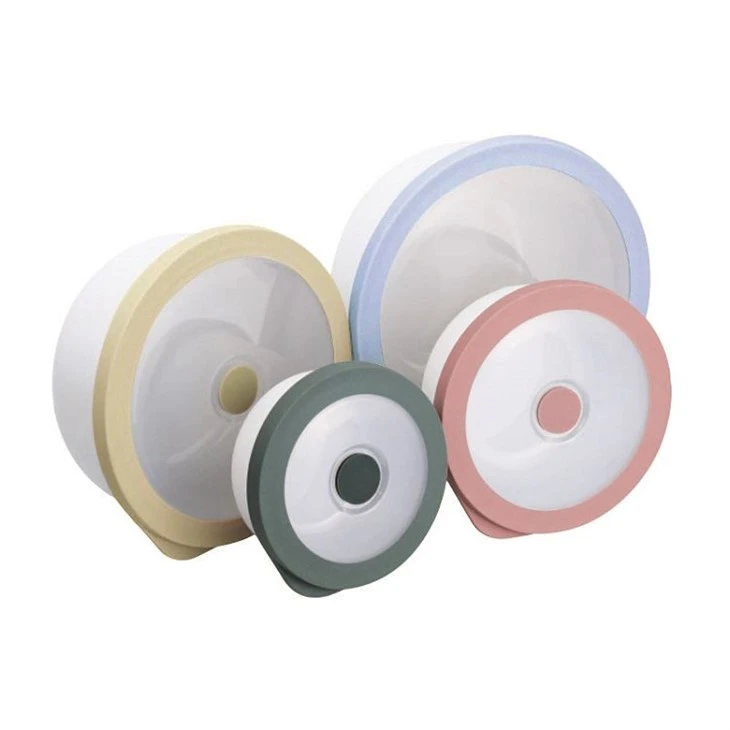

As a supplier of round food containers, I am confident in the quality and performance of our products. Our round containers are designed to meet the highest standards of functionality, durability, and aesthetics, making them suitable for a wide range of food storage and transportation needs.
If you are interested in learning more about our round food containers or would like to discuss your specific requirements, I encourage you to reach out to us. We are always happy to assist you in finding the perfect solution for your food storage needs and look forward to the opportunity to work with you.
References
- "Food Packaging Technology", Second Edition, edited by Owen R. Fennema.
- "Principles of Food Science: Part II - Food Engineering", by Benjamin K. L. Cheow.
- Industry research reports on food container trends and consumer preferences.