

Are silicone lunch boxes suitable for long - distance travel?
As a supplier of silicone lunch boxes, I've often been asked whether silicone lunch boxes are a good choice for long - distance travel. In this blog post, I'll delve into the various aspects to help you make an informed decision.
Advantages of Silicone Lunch Boxes for Long - Distance Travel
Durability
One of the most significant advantages of silicone lunch boxes is their durability. Silicone is a highly resilient material that can withstand a fair amount of rough handling during travel. Whether you're jostling through a crowded train station, tossing your luggage into the trunk of a car, or navigating bumpy roads on a bus, silicone lunch boxes are less likely to crack or break compared to traditional plastic or glass containers. For example, if you accidentally drop your lunch box while transferring between different modes of transportation, a silicone lunch box will probably just bounce right back without any damage.
Lightweight
When traveling long - distance, every ounce counts. Silicone lunch boxes are extremely lightweight, which means they won't add much extra weight to your luggage. This is especially important if you're traveling by plane and have strict weight limits for your carry - on or checked bags. You can easily pack a silicone lunch box filled with your favorite snacks or a meal without having to worry about exceeding the weight allowance.
Flexibility
Silicone is a flexible material, and this property makes silicone lunch boxes very convenient for travel. You can easily squeeze them into tight spaces in your backpack, suitcase, or even a small tote bag. They can adapt to the shape of other items in your luggage, maximizing the use of available space. For instance, if you have a lot of other essentials to pack, you can tuck a silicone lunch box into a corner or between other items without it taking up too much room.
Leak - Resistance
A major concern when traveling with food is leakage. Silicone lunch boxes are typically designed with excellent sealing mechanisms that prevent food and liquids from leaking out. This is crucial during long - distance travel, as you don't want your clothes, electronics, or other belongings to get messy. Whether you're carrying a soup, a salad with dressing, or a beverage, a well - sealed silicone lunch box will keep everything contained.
Temperature Resistance
Silicone has good temperature resistance properties. It can withstand both high and low temperatures, which is beneficial for long - distance travel. If you're traveling to a hot climate, the silicone lunch box can help keep your food relatively cool for a longer period. On the other hand, if you want to keep your food warm, you can pre - heat the silicone lunch box before filling it with hot food, and it will retain the heat better than some other materials.

Types of Silicone Lunch Boxes for Travel
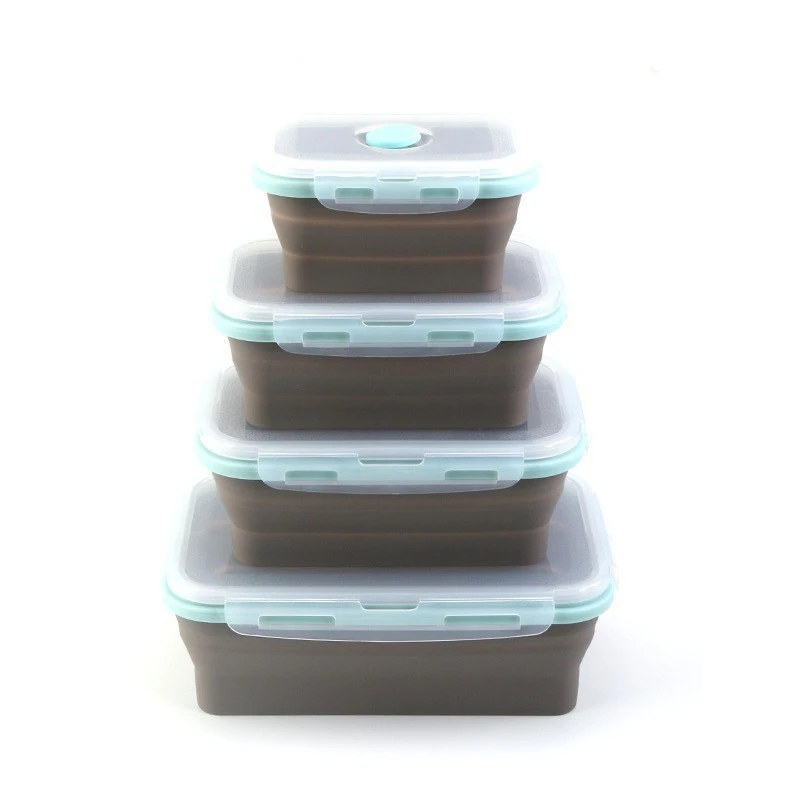
4Pcs Silicone Lunch Box
The 4Pcs Silicone Lunch Box is a great option for long - distance travel. It comes with multiple compartments, allowing you to separate different types of food. You can pack a variety of snacks, fruits, sandwiches, and even a small dessert all in one set. The multiple compartments also help in organizing your food and keeping different flavors from mixing.
Square Silicone Lunch Box
The Square Silicone Lunch Box is known for its efficient use of space. Its square shape makes it easy to stack with other items in your luggage. It can fit neatly into the corners of your backpack or suitcase, and you can arrange multiple square lunch boxes side by side to maximize storage.
Round Silicone Lunch Box
The Round Silicone Lunch Box has a unique design that can be very practical for travel. Its rounded shape is less likely to get caught on other items in your luggage, and it can be a fun alternative to the more traditional square or rectangular lunch boxes. It's also great for packing round - shaped food items like pies or quiches.
Considerations When Using Silicone Lunch Boxes for Long - Distance Travel
Cleaning
It's important to keep your silicone lunch box clean during travel. While silicone is generally easy to clean, you may not always have access to proper cleaning facilities. You can carry some wet wipes or a small bottle of mild detergent and a cloth to clean the lunch box at rest stops or in hotel rooms. Make sure to dry it thoroughly before using it again to prevent the growth of bacteria.
Food Preservation
Even with a good lunch box, proper food preservation is essential during long - distance travel. If you're traveling for an extended period, you may need to use ice packs or a cooler to keep perishable food items fresh. You can place the silicone lunch box inside a cooler bag along with ice packs to maintain a low temperature.
Compatibility with Travel Rules
Before traveling, especially by plane, make sure to check the airline's rules regarding carrying food and containers. Some airlines may have restrictions on the size or type of containers you can bring. Most silicone lunch boxes should be fine, but it's always better to be safe and double - check.
Conclusion
In conclusion, silicone lunch boxes are highly suitable for long - distance travel. Their durability, lightweight nature, flexibility, leak - resistance, and temperature resistance make them an ideal choice for keeping your food fresh and organized while on the go. Whether you're traveling by plane, train, car, or bus, a silicone lunch box can be a reliable companion.
If you're interested in purchasing high - quality silicone lunch boxes for your next long - distance trip, we'd love to have a conversation with you. We offer a wide range of silicone lunch boxes, including the ones mentioned above, and can provide you with more information about our products. Feel free to reach out to us to discuss your specific needs and start a procurement negotiation.
References
- "The Benefits of Silicone in Food Containers", Journal of Food Packaging Science
- "Traveling with Food: Best Practices", Travel and Food Magazine