

When it comes to making soup, the choice of cookware can significantly influence the outcome. As a supplier of high - quality silicone soup molds, I've seen firsthand how these molds can not only make the process of making and storing soup more convenient but also contribute to a more flavorful end - product. In this blog, I'll share some tips on how to make the soup in silicone soup molds more flavorful.
1. Selecting the Right Ingredients
The foundation of a flavorful soup lies in the ingredients you choose. Fresh, high - quality produce is key. For vegetables, opt for those that are in season. Seasonal vegetables are not only more affordable but also have a more intense flavor. For example, in the fall, butternut squash, carrots, and onions are in season. These vegetables can form the base of a rich and hearty soup.
When it comes to proteins, fresh meats and seafood can make a world of difference. If you're making a chicken soup, use free - range chicken. The meat will have a more robust flavor compared to commercially raised chicken. For seafood soups, fresh fish and shellfish are essential. The natural umami of fresh seafood can elevate the taste of the soup.
Spices and herbs are also crucial. Don't be afraid to experiment with different combinations. A classic combination for a vegetable soup might include thyme, rosemary, and bay leaves. These herbs add a depth of flavor that can transform a simple soup into a gourmet dish. For a more exotic touch, you can add spices like cumin, coriander, or turmeric. These spices are commonly used in Indian and Middle Eastern cuisines and can bring a unique flavor profile to your soup.
2. Proper Preparation of Ingredients
Once you've selected your ingredients, proper preparation is essential. Vegetables should be chopped into uniform sizes. This ensures that they cook evenly and release their flavors at the same time. For example, if you're making a tomato - based soup, chop the tomatoes into medium - sized pieces. This allows them to break down easily during the cooking process and release their juices.
Meats and seafood should be seasoned before adding them to the soup. A simple rub of salt, pepper, and a little olive oil can enhance the flavor. When cooking meats, sear them first in a hot pan. This creates a caramelized crust on the outside, which locks in the juices and adds a rich, savory flavor to the soup.
For herbs and spices, it's important to toast them before using. Toasting spices like cumin and coriander in a dry pan over medium - low heat for a few minutes can bring out their essential oils and intensify their flavor. Fresh herbs can be added at different stages of the cooking process. Some herbs, like basil, are best added at the end to preserve their fresh flavor, while others, like thyme, can be added earlier to infuse the soup with their flavor.
3. The Role of Silicone Soup Molds in Flavor Development
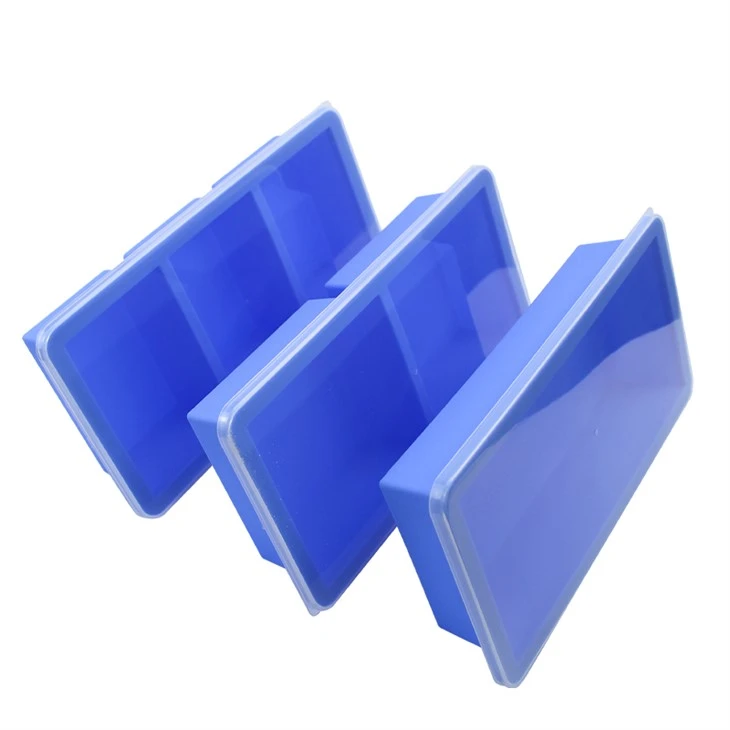
Silicone soup molds, such as the Silicone Soup Mold Set and Silicone Soup Freezer Molds, play a unique role in flavor development. Silicone is a non - reactive material, which means it won't leach any unwanted flavors into the soup. This allows the natural flavors of the ingredients to shine through.
Silicone molds also have excellent heat distribution properties. They can evenly transfer heat to the soup, ensuring that all the ingredients are cooked thoroughly and evenly. This even cooking helps to develop a more balanced flavor in the soup. For example, when making a thick, chunky soup, the silicone mold will ensure that the vegetables and meats in the center of the mold are cooked as well as those on the edges.
Another advantage of silicone soup molds is their flexibility. They make it easy to remove the soup from the mold once it's cooled. This is especially useful when you want to store the soup in the freezer. You can easily pop the soup out of the mold and transfer it to a freezer bag or container. Freezing the soup in silicone molds also helps to preserve the flavor. The airtight environment created by the mold prevents freezer burn and keeps the soup fresh for a longer time.
4. Cooking Techniques
The cooking technique you choose can have a significant impact on the flavor of the soup. One of the most important steps is to start with a good base. A mirepoix, which is a combination of onions, carrots, and celery, is a classic base for many soups. Sauté the mirepoix in a little olive oil until it's softened and fragrant. This releases the natural sugars in the vegetables and adds a sweet, savory flavor to the soup.
When making a broth - based soup, simmering is the key. Simmering the soup over low heat for a long time allows the flavors to meld together. The longer the soup simmers, the more intense the flavor will be. However, be careful not to over - simmer, as this can cause the soup to become too thick and lose some of its flavor.
For cream - based soups, it's important to add the cream gradually. Adding the cream too quickly can cause it to curdle. Heat the cream gently before adding it to the soup and stir constantly to ensure a smooth, creamy texture.
5. Seasoning and Adjusting the Flavor
Seasoning is the final step in making a flavorful soup. Start by adding a little salt and pepper to the soup and taste it. Adjust the seasoning as needed. Remember that it's easier to add more seasoning than to take it away, so start with a small amount.
You can also add other seasonings like soy sauce, Worcestershire sauce, or lemon juice to enhance the flavor. Soy sauce adds a savory, umami flavor, while Worcestershire sauce adds a complex, tangy flavor. Lemon juice can brighten up the soup and add a fresh, citrusy note.

If the soup is too thick, you can add a little more broth or water. If it's too thin, you can simmer it for a longer time to reduce the liquid or add a thickening agent like cornstarch or flour.
6. Storing and Reheating
Proper storage and reheating are important to maintain the flavor of the soup. As mentioned earlier, silicone soup molds are great for freezing soup. Once the soup is frozen in the molds, you can transfer the soup cubes to a freezer bag or container. Label the bag or container with the date and type of soup.
When reheating the soup, it's best to do it slowly over low heat. This allows the soup to heat up evenly and prevents it from burning. You can also add a little more broth or water if the soup has become too thick during freezing.
Conclusion
Making a flavorful soup in silicone soup molds is a combination of selecting the right ingredients, proper preparation, using the right cooking techniques, and seasoning correctly. Our Silicone Soup Mold Set and Silicone Soup Freezer Molds are designed to help you achieve the best results. If you're interested in purchasing our high - quality silicone soup molds for your home or business, please feel free to contact us for more information and to start a procurement negotiation.
References
- "The Professional Chef" by The Culinary Institute of America
- "The Joy of Cooking" by Irma S. Rombauer, Marion Rombauer Becker, and Ethan Becker
- "Cook's Illustrated" magazine